The Vision

Water is life. It also contains time. A history. A memory.
These paintings are not representations of history — they are made of it.

The Approach Painting with the memory of the world

THE APPROACH — ATLAS OF WATER is a monumental artistic and documentary project: 60 rust-on-steel paintings, each made with water physically collected from a site of deep historical or symbolic importance to the world and to humanity.

From the cradle of the first Homo erectus in East Africa, to the earliest civilisations, from the sacred waters of the great religions to the oceans crossed by explorers, from the great cities shaped by empires, to the water carried by astronauts into space — each work contains within it a fragment of the place it evokes.

Water reacts with steel. It causes it to rust. It leaves its mark. These paintings are not representations of history. They are made of it.

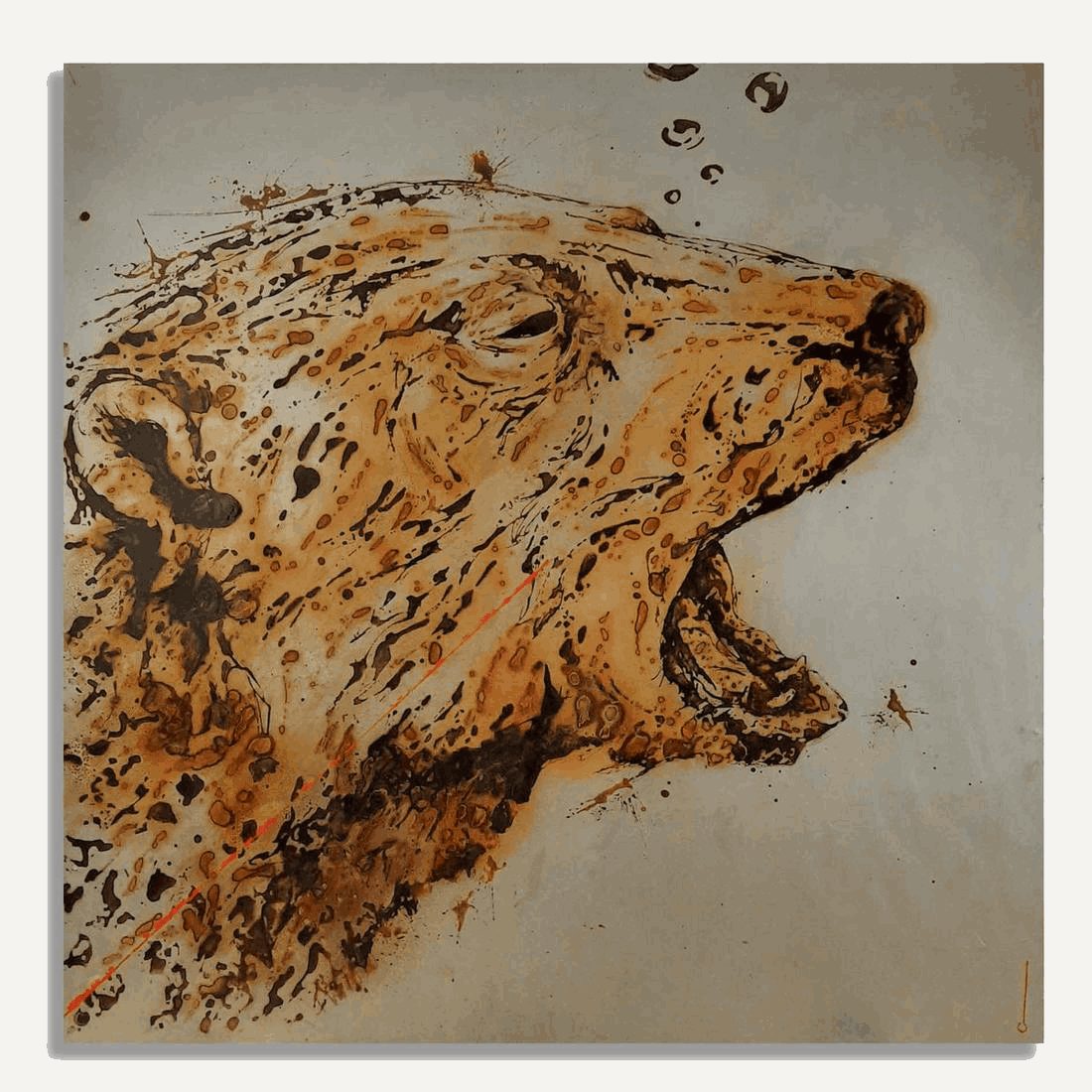
Atlas of Water — Polar bear, rust on steel painting made with water from Greenland, Christophe Monteil, 100×100 cm, 2021

#03 — "Polarrr" · 100×100 cm

Iceberg water from Ilulissat Bay, Greenland — Water of the primordial glaciers

Why now Water as the substance of history

WHY NOW — To remember the history of our world.

A desire to remember that we belong to the life of planet Earth, that we are but a few generations, a few links, in the extraordinary epic of humanity. Water is the bond between all these generations — plant, animal, human. Everything that has shaped the remarkable history of the blue planet, unique in the vastness of the known universe.

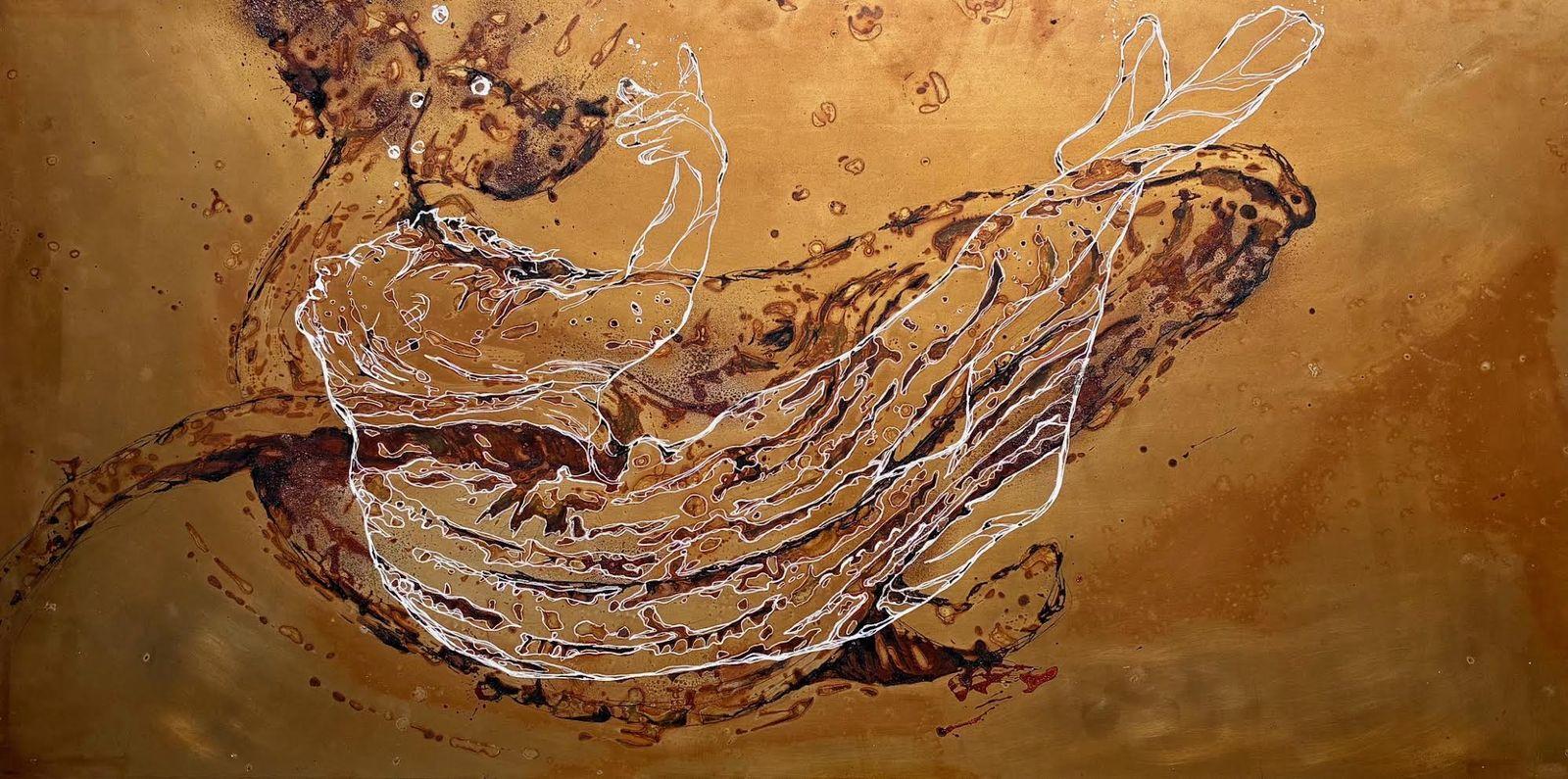
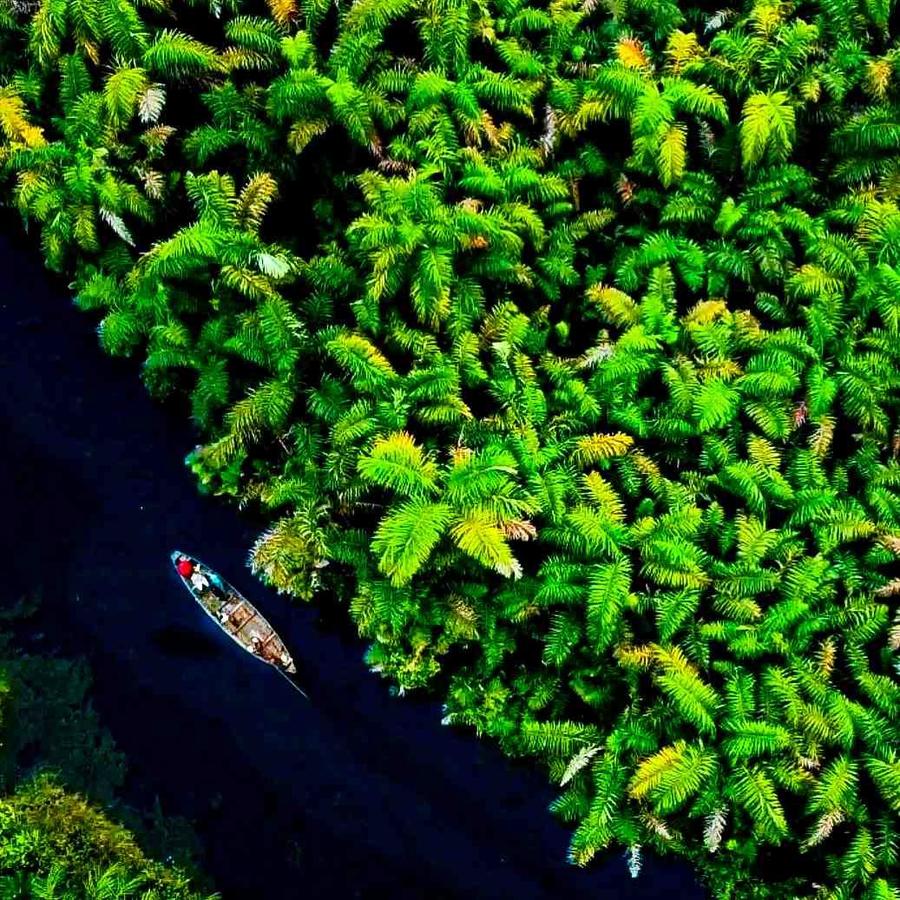
Atlas of Water — Black River, Benin. Water collected by Christophe Monteil for the rust on steel painting, Atlas of Water series

#12 — Black River · Benin, West Africa

The water that witnessed the departure of the ancestors

The Technique Rust as language

Each work in ATLAS OF WATER is "painted" directly onto a plate of raw steel. The primary medium is the water itself — collected on site — sometimes mixed with natural pigments. Applied to untreated steel, this mixture triggers oxidation: rust forms, and a figurative work takes shape.

Mastery of the dosages produces different shades of rust, which are then fixed permanently, marrying the ancestral material language of iron and water with a contemporary figurative sensibility.

Water oxidises steel. It does not degrade it.
It reveals it.

Formats range from 60×60 cm to 150×150 cm. Each piece is unique, signed, accompanied by a certificate of authenticity and a collection film documenting the origin of the water.

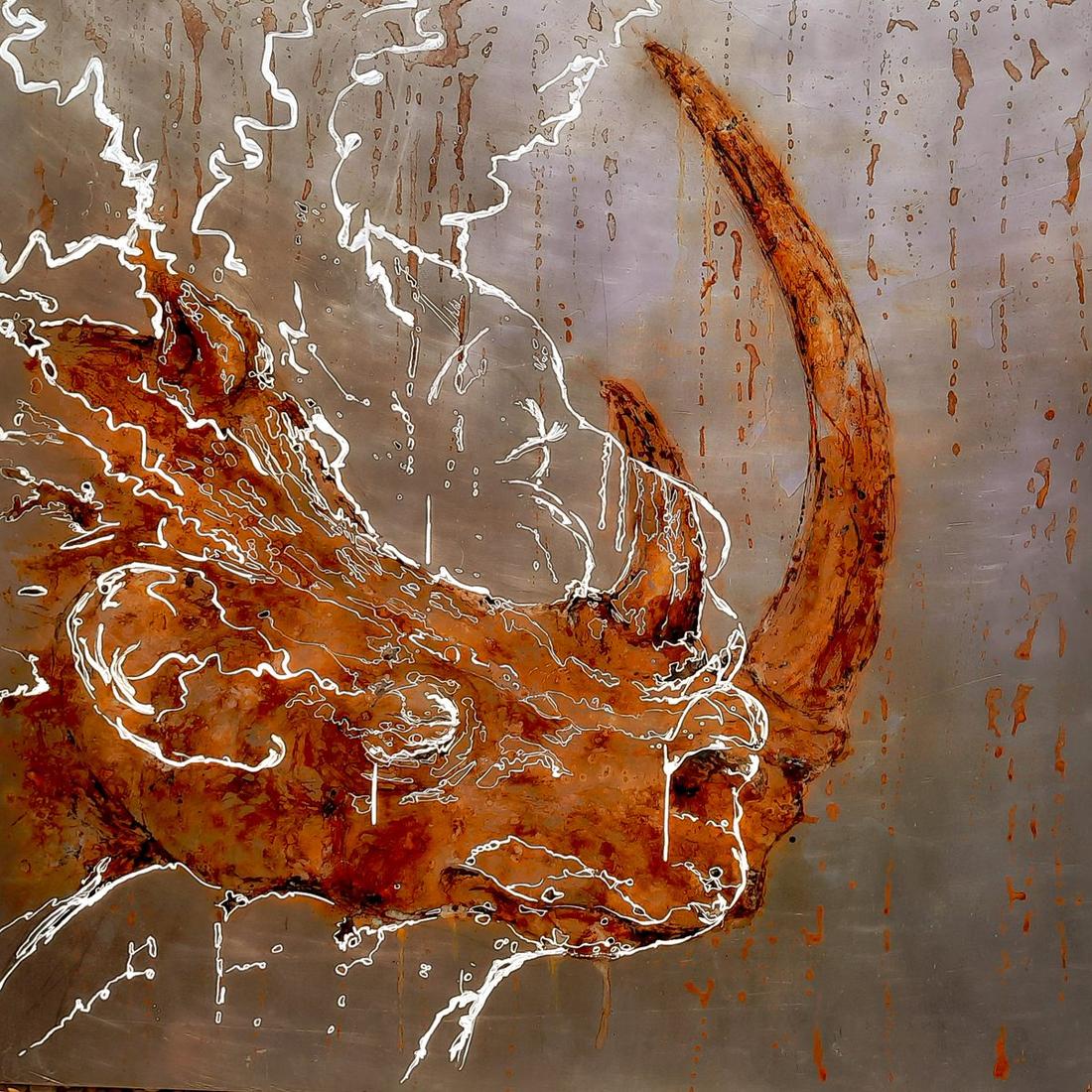
Atlas of Water — Please Stay Home, rust on steel painting made with water from the Zambezi River, Zimbabwe. Rhinoceros, Christophe Monteil, 120×120 cm, 2021
#50 — Please Stay Home · 120×120 cm — 2021
Zambezi River water · Zimbabwe

What makes this approach unique 60 works · 60 stories · one series

01

Water is the work

This is not a representation of water. It is the water itself — collected, transported, placed on steel — that creates the painting through natural oxidation.

02

A living material

Each water reacts differently. Its mineral content, composition, and geological history give each painting a colour, a texture, and a signature all its own.

03

A direct testimony

Christophe Monteil collects each water himself, on site, in contact with local populations and places. Every journey is documented by a film that accompanies the work.

04

A poetic cartography

The 60 works together form an atlas — not geographical, but human. A cartography of the places that symbolise the history of our world.

Three components The painting · The film · The vial

I

The work

Rust on steel painting

Made with water physically collected from the place represented. The resulting image is not a representation of the place — it is chemically derived from it.

The water of the place made the work.

II

The film

it tells the story of the journey, the place

A short film that tells:

  • The journey to the place
  • The place itself
  • The act of collection: the water taken
  • The creation of the work
  • The finished work

What disappeared into the final painting — the journey, the effort, the emotion of the place — lives on in the film.

III

The vial of raw water

Original water, sealed

A vial containing part of the water collected on site — untransformed, unused in the painting. The raw water. The water as it was there. It accompanies the work forever.

Together, the three elements form something none could be alone: a work that is simultaneously image, narrative, and relic.

In one sentence

The painting shows. The film tells. The vial holds.

Questions about the project

The raw steel is prepared and sanded. The water collected on site is then applied directly to the metal surface. The oxidation reaction produces rust naturally — without any added paint. The artist works on the composition, layering and densities. The process takes several weeks. Once the work is stabilised, it is protected with a matte varnish.
Christophe Monteil travels personally to each site to collect the water. The collection is filmed and documented. It often involves meeting with local populations, the guardians of the places, or representatives of the site's memory. The water is transported in hermetically sealed, certified flasks and used in the studio.
Yes. Each work is available for acquisition — painting, collection film and original water vial — as a certified set. The series in its entirety can also be the subject of thematic exhibitions. For any enquiry, please contact the studio directly.
Formats vary between works, from 60×60 cm to 150×150 cm. Most pieces are square, in reference to the flatness of the steel and the equanimity of the gaze. Some exceptional pieces are created as diptychs or in horizontal formats. The exact dimensions of each work are specified in the individual catalogue sheets.
The series is in progress. Around forty works have been produced to date, from collections across four continents. Collection journeys continue. The aim is to complete all 60 works over the coming years, with a world exhibition planned at the conclusion of the series.

60 waters — a poetic cartography of world history and humanity

Discover the works Contact the studio